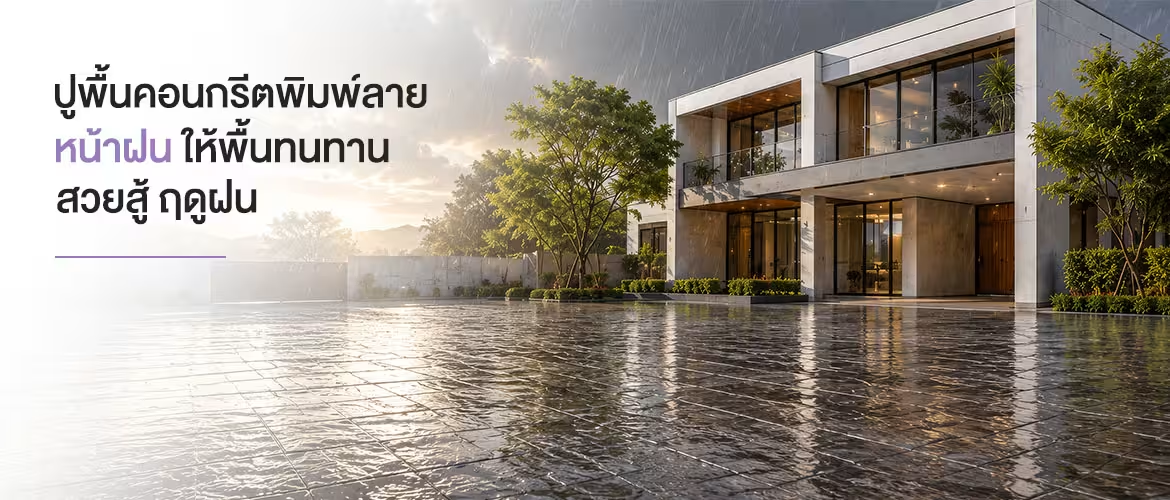
When the rainy season arrives, it brings cooler weather—but also concerns about wet outdoor surfaces, standing water, and the risk of slipping. Stamped concrete is a popular choice for patios, driveways, and walkways because of its attractive appearance and durability, but homeowners often ask: “How well does stamped concrete perform during the rainy season? Can it be installed when it rains? And is it difficult to maintain?”
Today, Nature Crete, as a stamped concrete specialist, will answer the most common questions and share practical insights to help you understand why stamped concrete can be a reliable and attractive flooring solution throughout every season.
(1) What Happens to Stamped Concrete During the Rainy Season?
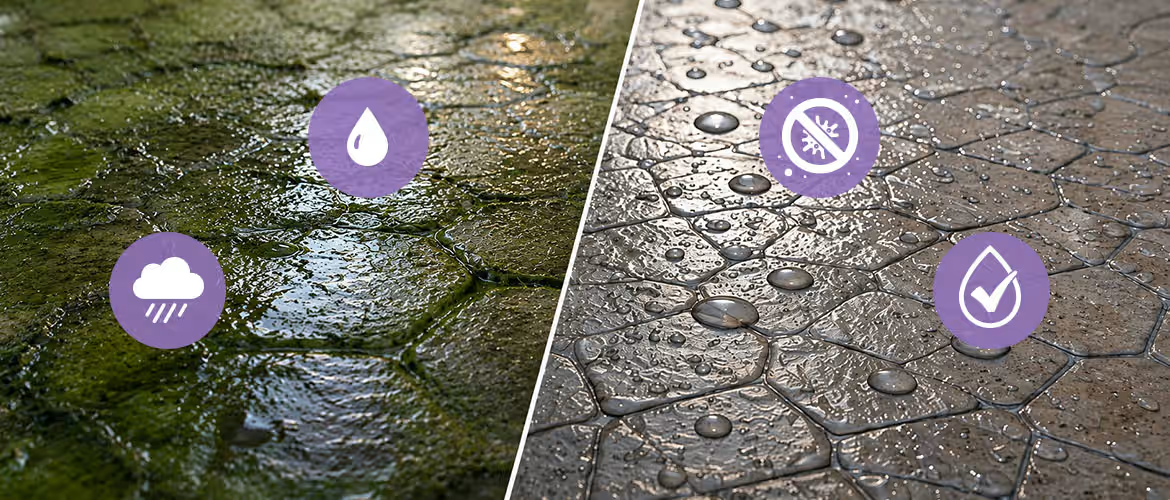
Many homeowners are concerned that stamped concrete may fade, develop algae or mold, or become difficult to clean when exposed to rain. The answer is that these issues can occur if the surface is not properly maintained, especially when dust, dirt, and moisture are allowed to accumulate and form stubborn stains over time. A simple comparison is automotive paint. Just as a car’s finish is continuously exposed to rain, airborne contaminants, and sunlight, stamped concrete can gradually show signs of wear if it is not regularly cleaned and properly maintained.
A quality sealer provides an important protective layer. Nature Crete uses PEAK A-200 Super Coat, a clear acrylic water-resistant sealer designed to protect decorative concrete surfaces and make rainy-season maintenance easier.
- Helps Reduce Algae & Mold Growth🦠: Before stamping, the concrete surface is finished and later protected with a clear acrylic sealer. This reduces water absorption and makes it more difficult for moisture, dirt, algae, and mold to become embedded in the surface.
- Helps Prevent Weeds Growing Through the Surface🌿: Unlike individual paving slabs or interlocking blocks with multiple joints, stamped concrete is constructed as a continuous concrete slab. This significantly reduces opportunities for weeds to grow through joints across the main surface.
- Easy to Clean🧼: After heavy rain or when mud and dirt accumulate, the surface can be rinsed with clean water. A soft-bristle brush with mild dish soap or detergent can be used when necessary. Avoid acidic or corrosive cleaners, such as bathroom cleaners, as they may damage the clear acrylic sealer.
A quality sealer provides an important protective layer. Nature Crete uses PEAK A-200 Super Coat, a clear acrylic water-resistant sealer designed to protect decorative concrete surfaces and make rainy-season maintenance easier.
(2) Can Stamped Concrete Be Installed During the Rainy Season?
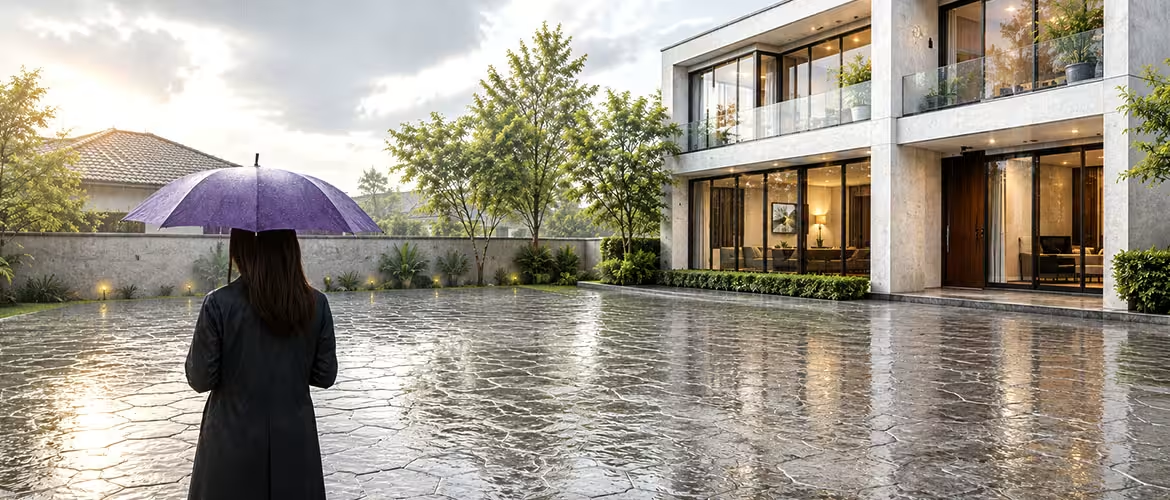
Stamped concrete can be installed during the rainy season, but weather conditions must be carefully monitored and the installation process properly planned.
Important Considerations Before and During Rainy-Season Installation
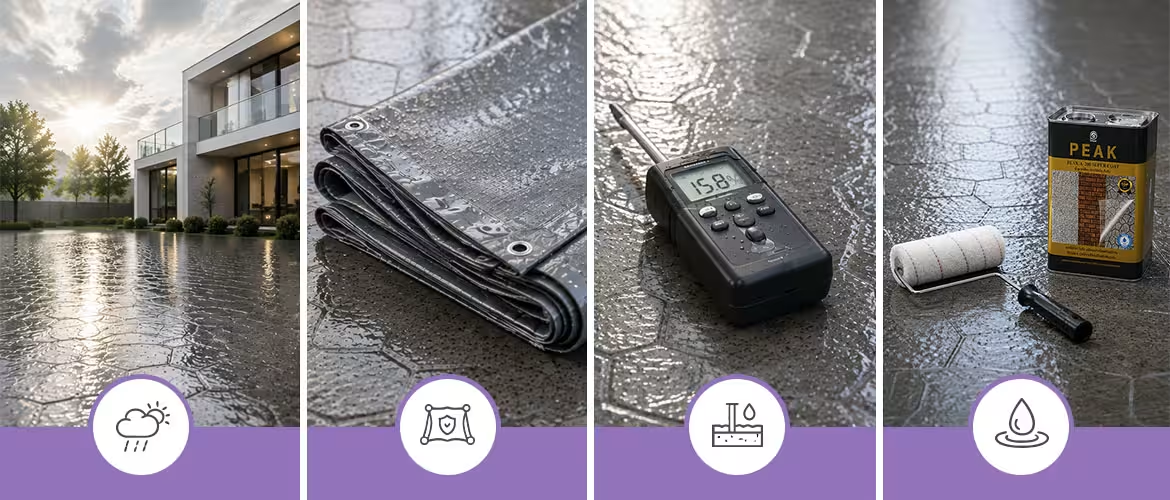
- Check the Weather Forecast: Our team monitors weather conditions in advance to select a suitable installation period and avoid days with a high risk of heavy rain or storms.
- Protect Fresh Concrete from Rain: Tarpaulins, temporary covers, or suitable protective measures should be prepared where practical to prevent rainfall from directly affecting freshly placed concrete before it has properly set.
- Manage Ground Moisture: If the existing ground is excessively wet or saturated, site conditions should be assessed before proceeding. Proper preparation, compaction, and moisture management are essential for creating a stable base for the concrete slab.
- Pay Special Attention to the Sealing Stage: Sealing is one of the most important final steps. The concrete surface must be sufficiently dry and suitable for application before PEAK A-200 Super Coat is applied. Excess moisture trapped beneath the coating can cause problems such as cloudiness, a milky-white appearance, bubbling, or poor adhesion.
(3) Drainage Planning: A Key to Long-Lasting Stamped Concrete
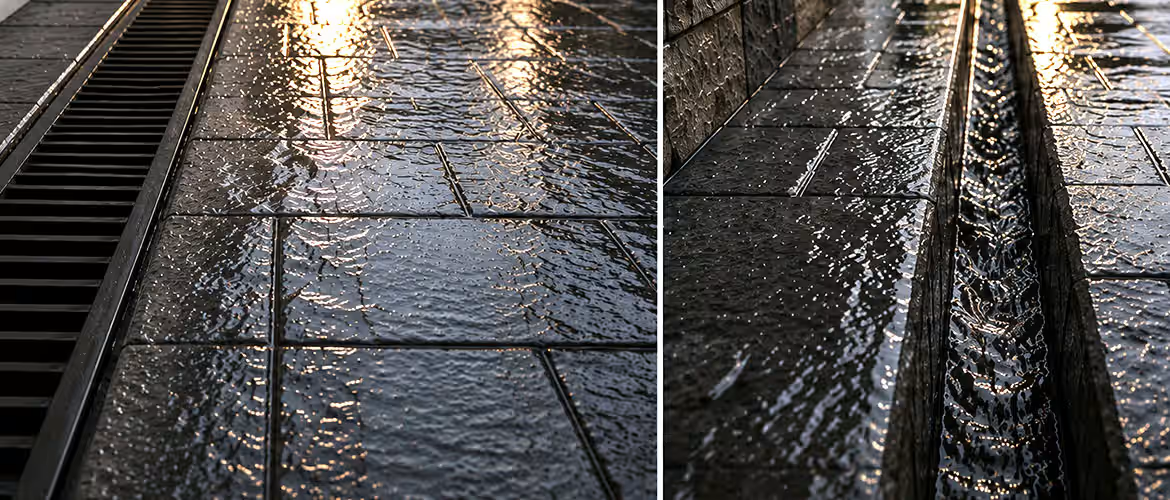
When planning stamped concrete, most people naturally focus on the pattern and color. However, one of the most important factors behind a successful outdoor concrete surface is proper drainage design.
Why Is Proper Drainage Important?
- Extends the Life of the Sealer: Standing water left on the surface for extended periods can contribute to premature deterioration of the protective coating and may lead to a duller appearance or staining.
- Reduces Conditions for Algae and Mold: Persistent standing water and moisture create favorable conditions for algae and mold growth, which can affect both appearance and slip resistance.
- Helps Prevent Water from Flowing Toward the Building: Incorrect surface levels or drainage direction may direct rainwater toward walls, doors, or other parts of the building, potentially creating long-term moisture problems.
Nature Crete takes care of floor design... Not just pouring cement

Before installation begins, one of the most important steps is site assessment and planning. Our team evaluates the existing levels and drainage conditions, discusses suitable drainage points with the property owner, and plans the new stamped concrete surface to work effectively with the property's overall drainage system.
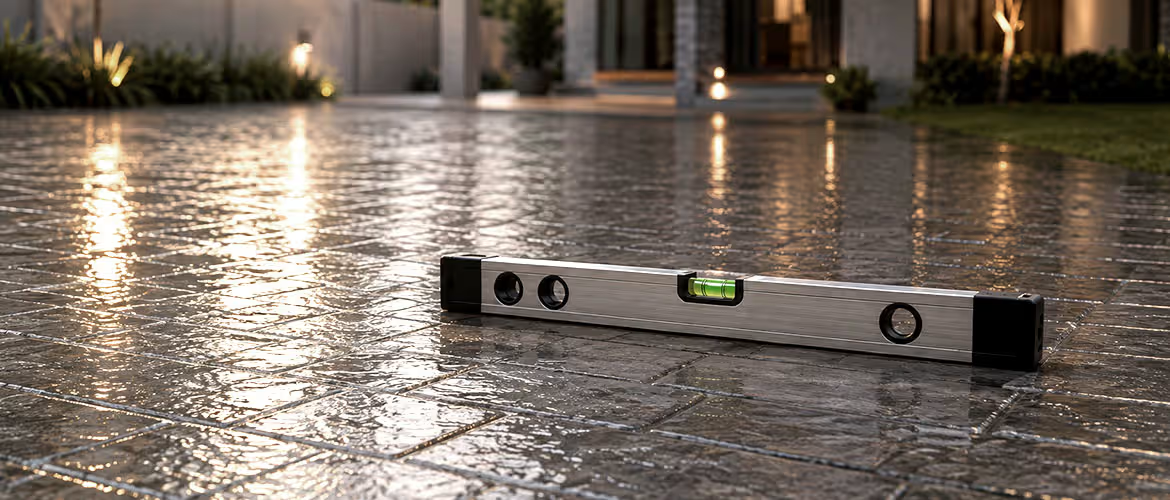
An important principle of effective drainage is providing an appropriate surface slope. Depending on the site and drainage requirements, the surface may be designed with a subtle gradient—for example, approximately 1–2 cm per meter—to guide rainwater naturally toward designated drainage points without creating an obvious visual slope. Nature Crete can also provide solutions such as drainage channels and stamped concrete gutters to complement the overall drainage design.
Conclusion
Stamped concrete can perform well throughout the rainy season when it is properly designed, installed, sealed, drained, and maintained. A quality protective sealer such as PEAK A-200 Super Coat, together with correct surface preparation and maintenance, can help reduce water absorption, staining, algae and mold growth, while making the surface easier to clean. Rainy-season installation is also possible when the project is carefully managed—from monitoring weather conditions and protecting freshly placed concrete to ensuring that the surface is sufficiently dry before sealing. Most importantly, proper drainage and slope planning help prevent standing water and many of the long-term problems associated with excessive moisture.
Don’t let the rainy season limit the potential of your outdoor space. Nature Crete provides support from site assessment and design through installation and project handover, helping you create stamped concrete surfaces that combine beauty, durability, functionality, and long-term value in every season.