
As the rainy season transitions into the cooler months, the pleasant drop in temperature can sometimes bring an unexpected issue—cracks appearing on previously smooth concrete surfaces. Whether on driveways, areas around the home, or walkways, these cracks may be influenced by changing weather conditions, which can affect the behavior and performance of concrete.
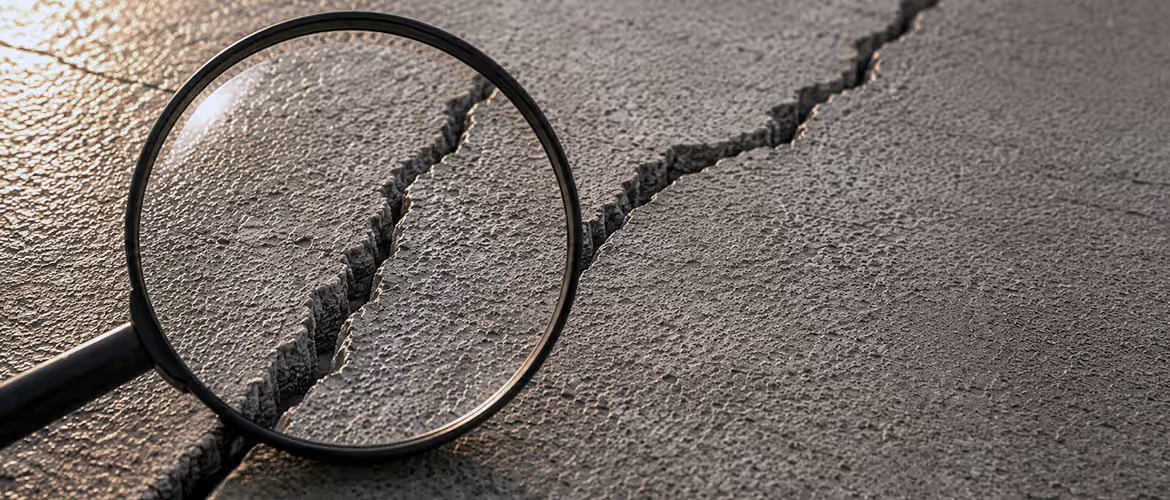
Today, Nature Crete takes a closer look at why concrete surfaces can be more vulnerable during colder weather, along with practical prevention methods and professional solutions for addressing concrete cracks.
Know the Problem: 3 Common Types of Concrete Cracks
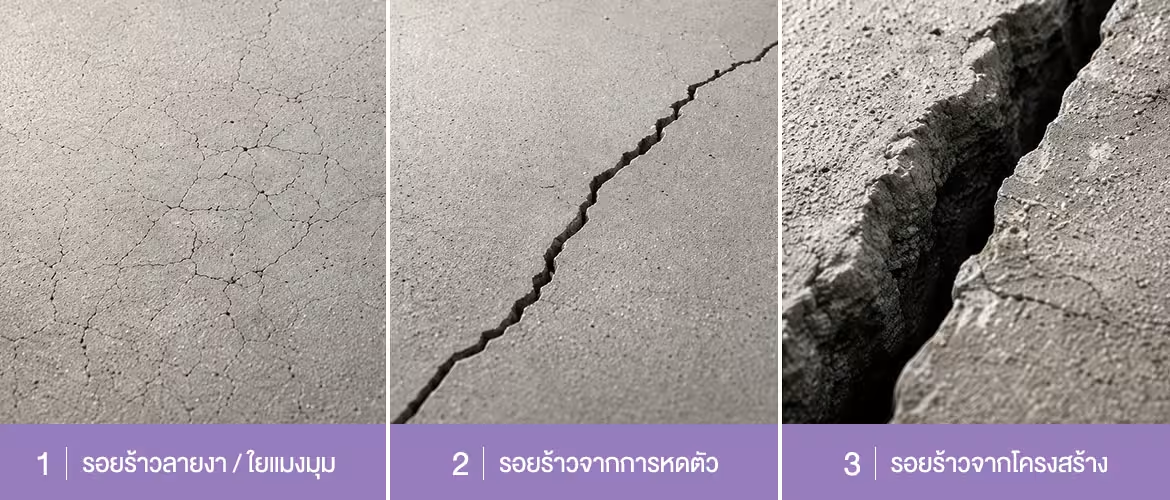
Before considering repairs, it is important to identify the type of crack first so that its severity and potential cause can be properly assessed.
- Crazing Cracks: Fine, shallow cracks that appear across the concrete surface, often in a web-like pattern. They occur when the surface dries and shrinks faster than the concrete beneath it. These cracks are generally cosmetic and do not indicate structural damage.
- Shrinkage Cracks: One of the most common types of concrete cracks. They may appear as straight, irregular, or zigzag lines and typically develop as concrete naturally shrinks during the drying and curing process. Without properly designed control joints, these cracks may occur at unpredictable locations.
- Structural Cracks: Most worrying These cracks are typically wider, deeper, and may extend continuously across the surface. Uneven levels on either side of the crack may also be present, potentially indicating issues such as ground settlement, inadequate support, or excessive loading.
In Depth: Why Does Cold Weather Cause Concrete to Crack?
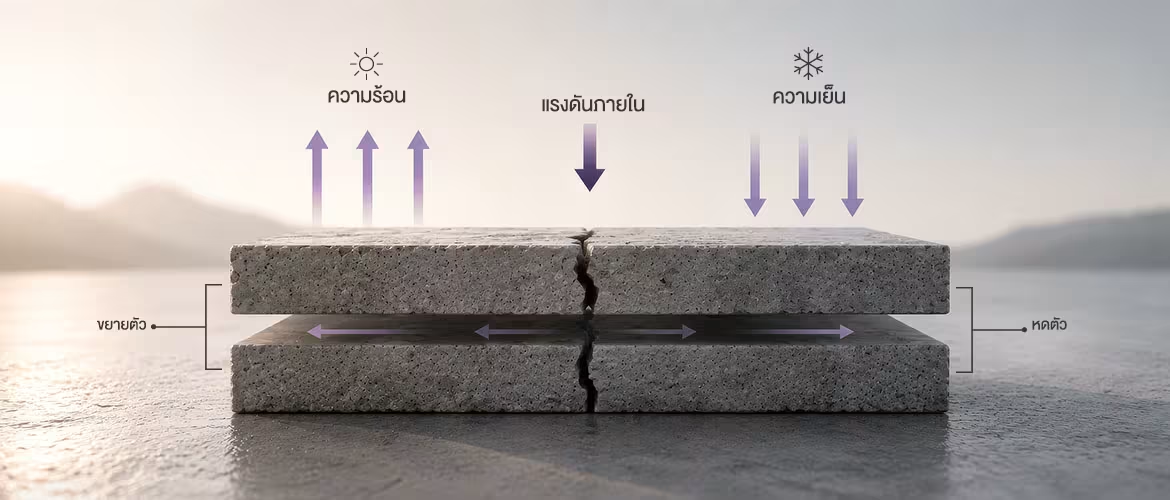
Weather-Related Factors:
- Cause 1 — Repeated Expansion and Contraction: During the cooler season, temperature differences between warmer days and colder nights can cause concrete to repeatedly expand and contract. These temperature changes create internal stress, which may eventually contribute to cracking.
- Cause 2 — The Surface Dries Too Quickly: Dry air and strong winds can cause moisture to evaporate rapidly from the concrete surface. When the surface shrinks faster than the concrete beneath it, fine surface cracks or crazing cracks may develop.
- Cause 3 — Rapid Moisture Loss: Low humidity can accelerate moisture loss from concrete. Excessive drying increases overall shrinkage and can raise the risk of cracking, particularly during the early stages after placement.
Construction-Related Factors:
- Cause 4 — Inadequate Concrete Curing: การบ่มคือการรักษาความชื้นให้คอนกรีตทำปฏิกิริยาได้สมบูรณ์ หากละเลยขั้นตอนนี้ในหน้าหนาวที่อากาศแห้ง คอนกรีตจะสูญเสียน้ำเร็วเกินไป ทำให้ไม่แข็งแรงเท่าที่ควรและแตกร้าวได้ง่ายมาก
- Cause 5 — Poor Subgrade Preparation: หากบดอัดดินไม่แน่นพอ เมื่อดินทรุดตัวจะเกิดโพรงใต้พื้นคอนกรีต ทำให้พื้นไม่มีที่รองรับและแตกหักในที่สุด
- Cause 6 — Incorrect Concrete Mix Proportions: Adding excessive water to make concrete easier to place can increase porosity, shrinkage, and reduce its final strength, making the surface more susceptible to cracking.
- Cause 7 — Missing or Improperly Spaced Control Joints: Control joints are designed to manage where natural shrinkage cracks occur. If joints are missing, incorrectly positioned, or spaced too far apart, cracks may develop unpredictably across the concrete surface.
How to Prevent Concrete Cracking During Construction
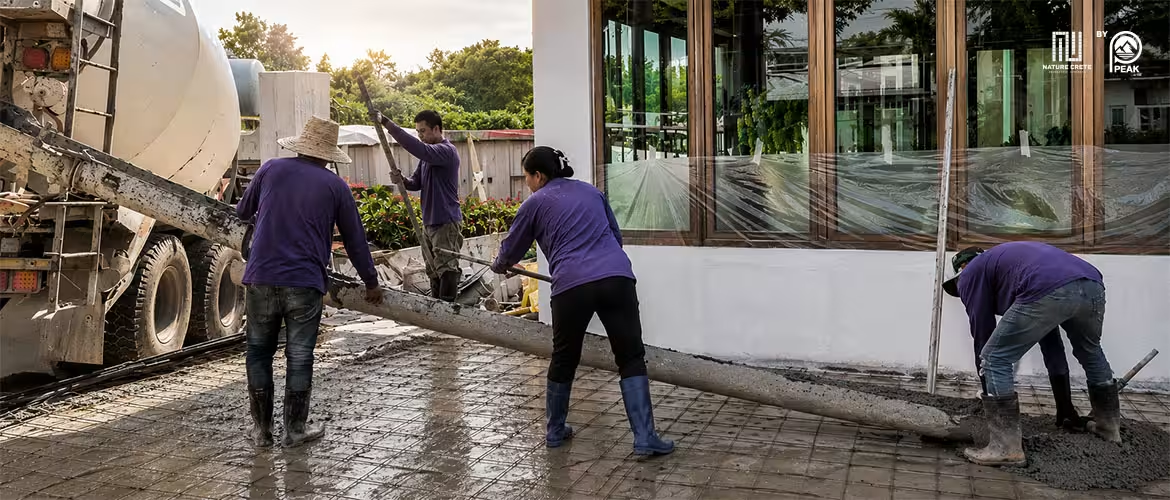
At Nature Crete, our engineers and specialists focus on preventing cracks at every stage of construction:
- Proper Subgrade Preparation: Thoroughly compact the soil and sand or crushed-stone base to create a stable and well-supported foundation for the concrete slab.
- Plan Control Joints Properly: Determine the appropriate spacing and depth of control joints based on slab thickness, layout, and site conditions. Saw-cutting should also be carried out at the appropriate time after placement to help control where natural shrinkage cracks occur.
- Proper Concrete Curing: Maintaining adequate moisture during curing is essential for concrete to develop strength and reduce the risk of early-age cracking. Depending on the project and conditions, curing methods may include water curing, wet coverings, or an appropriate curing compound.
- Use Concrete with the Appropriate Specification: Concrete should be sourced from a reliable supplier and specified with the appropriate compressive strength and mix design for the intended application and expected loads.
- Install a Moisture Barrier Where Appropriate: A suitable plastic membrane may be installed beneath the concrete slab where required to help control moisture movement between the concrete and the prepared base.
What to Do When Concrete Cracks
If cracks have already appeared, the appropriate repair method depends on the type, width, depth, movement, and underlying cause of the crack.
- Clean and Prepare the CrackRemove dust, loose particles, and debris from the crack using appropriate cleaning tools or a vacuum. Oil, dirt, or other contaminants should also be removed, and the area should be allowed to dry properly before repair.
- For Small or Non-Structural Cracks
- Cementitious Crack Filler (Cementitious Crack Filler) Suitable for minor, non-moving cracks and surface repairs where high flexibility is not required. It can be troweled into place to create a firm repaired surface.
- Acrylic Sealant: (Acrylic Sealant): Suitable for certain fine cracks and applications requiring some flexibility. It is easy to apply and many products can be painted over after curing.
- Polymer-Modified Mortar: (Polymer Mortar): Suitable for small to medium surface repairs where good adhesion and a hard, durable finish are required. It can provide a finish that blends relatively well with the surrounding concrete.
- Polyurethane (PU) Sealant: (PU Sealant) Suitable for moving joints or cracks subject to expansion and contraction. Its flexibility makes it particularly useful for certain control joints and exterior applications. Product selection should be based on the specific exposure and movement requirements.
- For Large or Structural Cracks Professional assessment is recommended: Wide, deep, continuously developing, or displaced cracks may indicate more significant issues such as settlement, inadequate support, excessive loading, or structural movement. An engineer or qualified specialist should inspect the area to determine the actual cause before repairs are carried out. Depending on the condition, solutions may include epoxy injection, structural crack repair, or partial removal and replacement of the affected concrete. Epoxy crack repair systems can provide high bond strength and penetrate fine cracks, making them suitable for certain structural repairs. However, epoxy is relatively rigid and may not be appropriate for actively moving cracks. For exterior applications, the repaired area may also require an appropriate protective finish depending on the epoxy system used.
Sealing:
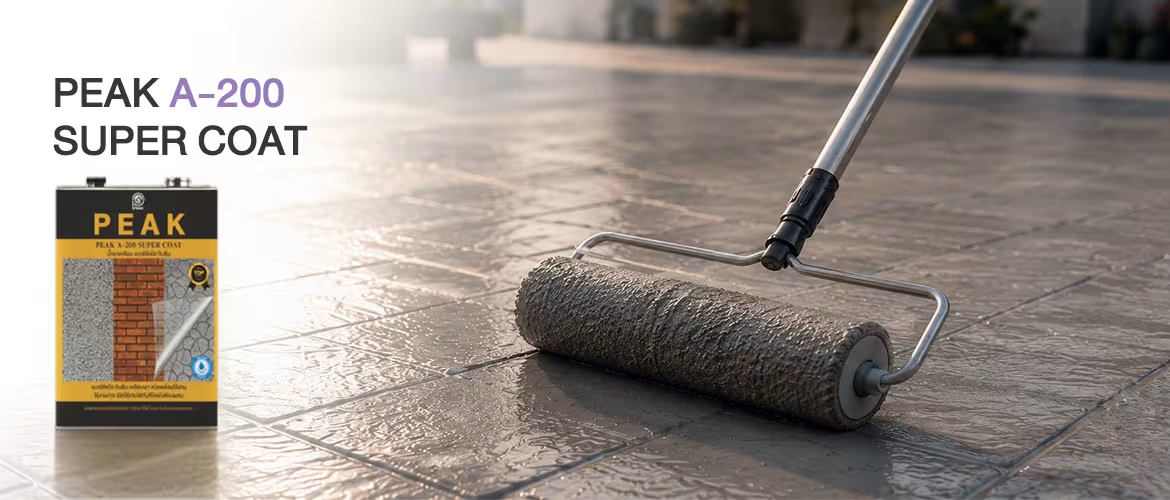
After the repair is completed, applying a concrete sealer helps provide a final protective layer for the surface. Depending on the application and site conditions, suitable options may include Epoxy Clear for indoor applications, PU Coating for applications requiring a high-performance protective finish, or Peak A-200 Super Coat, a clear acrylic sealer commonly used for stamped concrete and concrete surfaces. The protective coating helps reduce moisture penetration, minimize staining, enhance the color and texture of the surface, and restore its overall appearance, providing additional protection and durability after repair.
Conclusion
Concrete cracks during the cooler season are not uncommon, but many can be minimized through proper design, construction, and preventive measures from the beginning. This includes correct subgrade preparation, proper curing, controlling rapid moisture loss, using an appropriate concrete mix, and planning control joints correctly. If cracks have already developed, identifying the type and underlying cause before selecting the appropriate repair method is essential.
Don’t let concerns about poor workmanship, unfinished projects, or a lack of warranty compromise the quality of your outdoor space. Nature Crete is ready to support you from site assessment and design through installation and project handover, with professional workmanship and attention to every detail. Our goal is to deliver stamped concrete surfaces that combine lasting beauty, durability, safety, and long-term value for your home.