Selecting the right construction and decorative materials for both the interior and exterior of a home is crucial for homeowners. In addition to finding materials that are aesthetically pleasing and complement the overall design of the house, it's important to consider their properties to ensure they are suitable for the intended area. Stamped concrete floors are an excellent choice, as they enhance the home's beauty. These floors allow for the creation of various patterns and colors to improve the house's appearance. They are strong, durable, capable of supporting significant weight, and feature a non-slip surface, which helps prevent accidents.
What is stamped concrete?
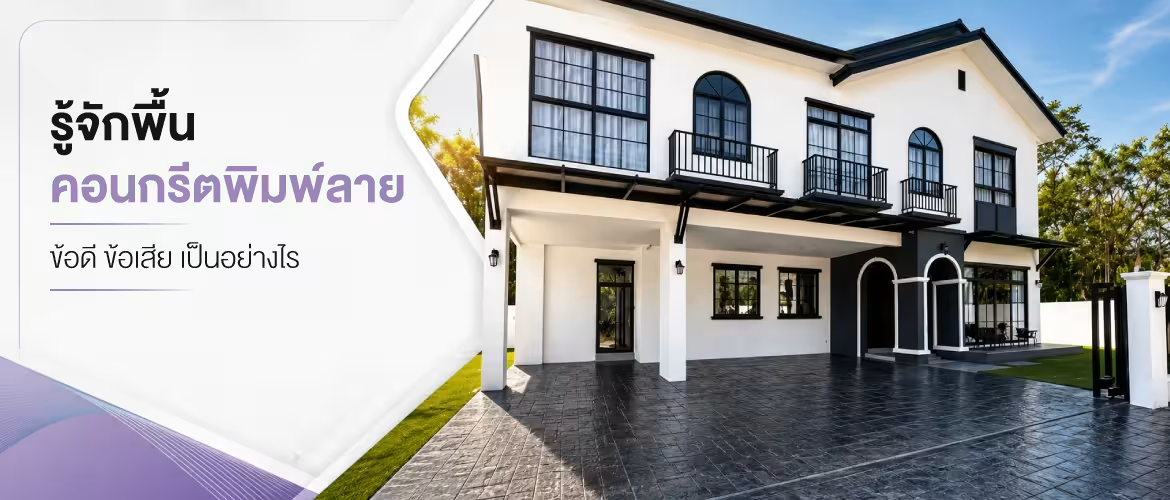
Stamped Concrete is a concrete surface designed with distinctive patterns and colors. The pattern is created by pressing specialized stamping mats into freshly placed concrete, allowing the surface to replicate a variety of textures and designs while maintaining the structural performance of a conventional concrete slab. One of its key advantages is the strength and durability of cast-in-place concrete combined with a decorative finish. Before stamping, a color hardener is applied and worked into the surface to enhance its color and surface durability. The finished concrete is then protected with a clear sealer, which helps reduce water absorption and moisture penetration while protecting the surface from outdoor exposure. With proper installation and maintenance, stamped concrete performs well in both sun and rain and helps reduce the conditions that encourage algae and mold growth.
Stamped concrete floor structure:
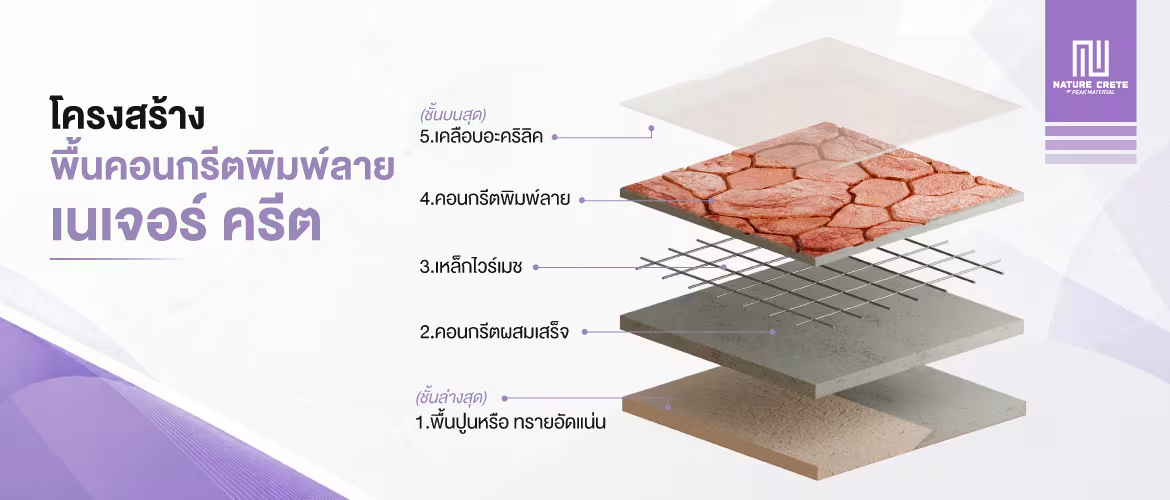
Layer 1: Compacted sand layer (original soil layer)
When preparing the area for stamped concrete, compacting the sand is a very important part of the construction process to ensure a strong area before pouring the structural concrete.
The preparation method of compacted sand layer consists of:
- Inspection & Planning: Check the existing ground level to determine the appropriate thickness and preparation of the compacted sand base for each area.
- Excavation & Sand Leveling: Level the ground with a sand base before pouring the concrete to create an even surface and help maintain the specified concrete thickness.
- Compaction : After preparing the ground and coarse sand layer, compact the surface thoroughly using a plate compactor. This is an essential step that creates a firm, stable, and evenly compacted base for the subsequent construction work.
- Final Inspection & Adjustment : Once the compacted sand base is complete, check its level, stability, and overall condition to ensure it is properly prepared for the next stage of construction.
2nd Layer: Reinforced concrete floor (Structural flooring)
An important part of creating a strong structural concrete floor is proper leveling and reinforcement. We use structural concrete with a compressive strength of 240–280 ksc, together with appropriately sized wire mesh reinforcement, to enhance the strength and durability of the stamped concrete surface and improve its resistance to loads and impact during use.
Layer 3: Wire Mesh
This layer is to place a steel sieve on the concrete floor to increase strength. And durability in the weight of the stamped concrete floor
The preparation method of wire mesh consists of:
- Quality inspection of wire mesh: Before using steel grating, check whether it is of the right quality and size for use. There must be no cracks or other abnormalities that may cause insufficient strength.
- Laying of wire mesh It is an important part that helps the concrete floor structure to be strong and durable for long-term use. It helps reduce the risk of cracks and wear and tear in the concrete floor structure.
Wire Mesh It is an important part that helps the concrete floor structure to be strong and durable for long-term use. It helps reduce the risk of cracks and wear and tear in the concrete floor structure.
4th Layer: mixed concrete layer or stamped concrete layer (toping layer)
It is a concrete layer that is poured for stamp patterns, which requires the placement of a wire mesh.
Methods for preparing ready-mixed concrete include:
- Prepare area : Clean and dry the area to prevent dirt from sticking to the surface, which may affect the adhesion of the concrete.
- Pour concrete : Pouring ready-mixed concrete must be done to fill every gap of the wire mesh, which is a reinforcement layer that helps increase the strength and durability of the structure.
- Level the ground : After pouring concrete to fill all the gaps of the Wire Mesh, the surface of the Topping floor is often adjusted to be smooth and level, using structural concrete with a compressive strength of 240 – 280 ksc.
- Sprinkle with tough color coating powder, polish and sprinkle with release agent powder. By sprinkling the coating color powder and release agent powder in the specified quantity according to the standard to be uniform and thorough.
- Check the mold condition Check for any damage or shrinkage and determine the appropriate number of molds to be used according to the area so that the pattern is completed before the concrete hardens.
Layer 5: Clear acrylic glossing coating
This is the final step in the process of constructing a stamped concrete. It prevents moisture, algae, mold, sunlight and strengthens the concrete floor. Clear acrylic waterproof coatings are often used to prevent wear and tear, erosion and dirt that may occur on the concrete floor. It also helps to add shine to the concrete pattern.
Method of preparing clear acrylic glossing coating includes:
- Prepare the surface Before applying the clear acrylic glossing coating, the concrete surface should be prepared to be clean and dry, and importantly, the details of the work should be neatly arranged before applying the coating so that the coating can adhere to the surface well.
- Apply clear acrylic glossing coating The clear acrylic glossing coating will be applied with appropriate equipment in 2 coats, thoroughly onto the stamped concrete surface
- Wait for it to dry. The coating must be allowed to dry completely before applying to the area. It is usually best to apply at least 24 hours after the coating has been applied.
Advantage vs Disadvantage
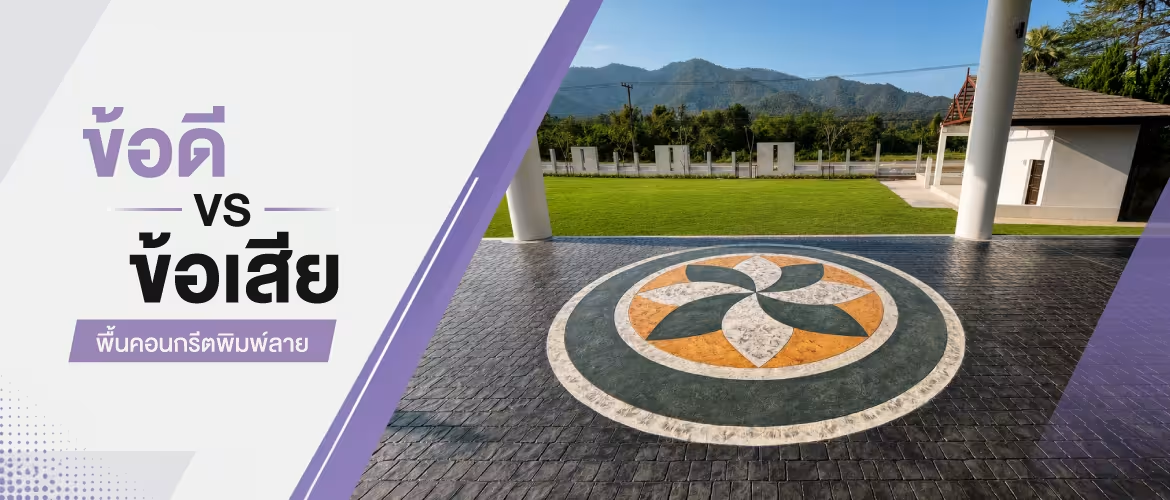
Advantage:
- Durability and strength
Stamped concrete floors are strong, durable for general use, and resistant to compression due to the properties of structural concrete with high compressive strength, resulting in a long service life and little maintenance. They are ideal for use in areas with heavy vehicle movement, such as parking lots or roads. - Beauty
Stamped concrete It can create natural patterns and design interestingly to make it look as beautiful as desired. - Helps Prevent Weeds Growing Through the Surface
What makes stamped concrete different from paving slabs or paving blocks is that weeds cannot grow up, so you don’t have to worry about the grass cluttering from the ground. - The stamped concrete floor is polished before printing and coated with clear acrylic, which prevents algae and mold from growing like regular concrete floors.
The stamped concrete floor is polished before printing and coated with clear acrylic, which prevents algae and mold from growing like regular concrete floors. - Easy to maintain
One of the conveniences of stamped concrete floors is that they are easy to maintain and clean. You can clean them with plain water, detergent, or dishwashing liquid. However, you should not use acidic detergents because they can corrode the concrete surface, causing damage or peeling.
Disadvantage:
Stamped concrete floors have many advantages, but they also have some limitations. This is because installing stamped concrete floors is often more expensive than regular concrete floors. It requires more expertise and experience in the work than regular concrete floors. If low-grade materials are used, the quality of the stamped concrete floors will decrease. When choosing a stamped concrete floor contractor, you should consider their experience and the quality of their work carefully before making a decision.
Conclusion
Making a concrete floor with a stamped pattern is another interesting option for those who want to decorate the area around the house or building to be suitable for use, more beautiful and livable. You can consider the advantages and disadvantages before making a decision. It depends on your preferences, purpose of use, lifestyle and compatibility with the surrounding architecture. If you want to receive advice or are looking for materials and equipment for making a concrete floor with a stamped pattern, you can inquire at: